

Before the Wars.
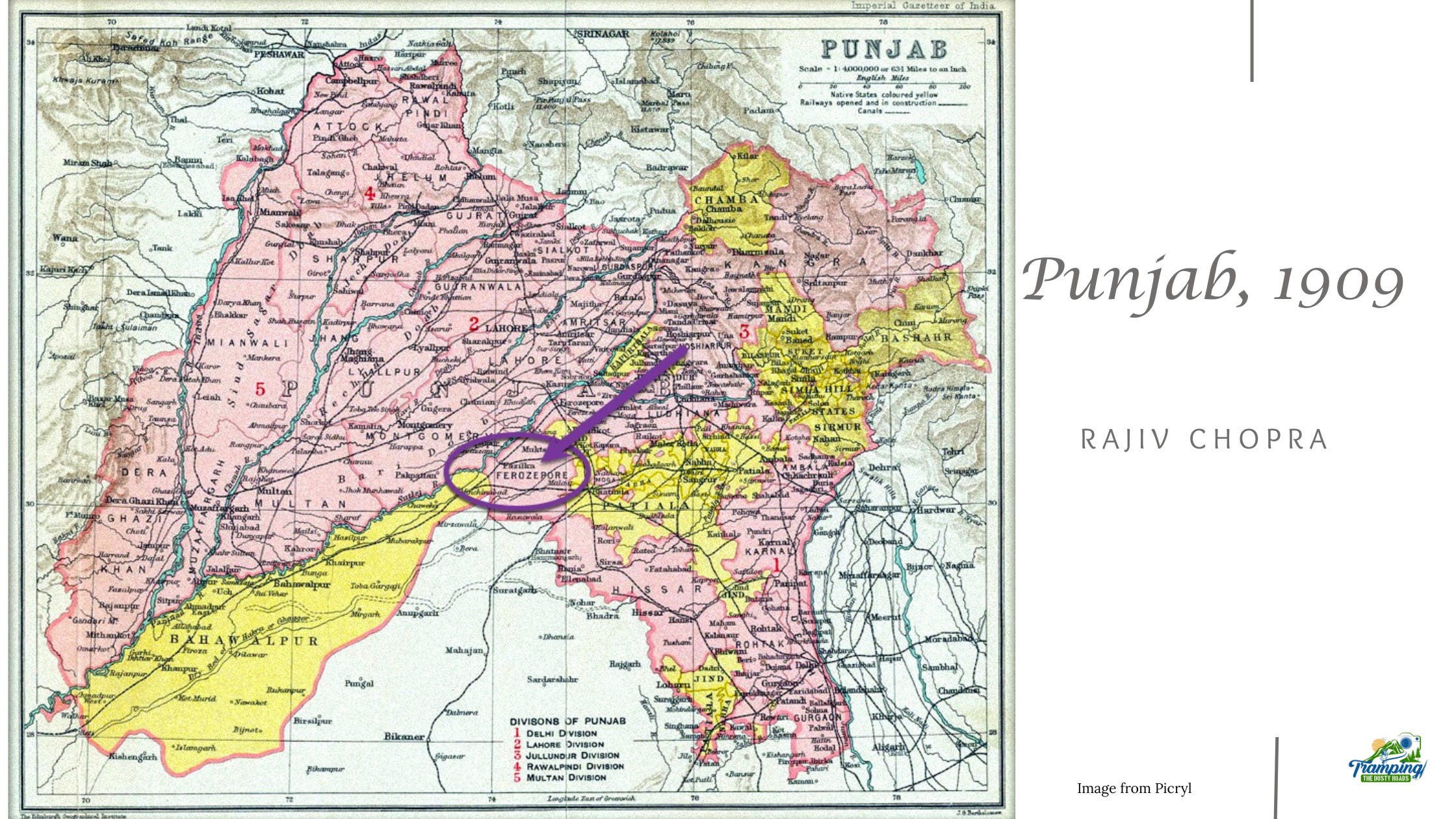
I mentioned earlier that I was born in Ferozepore many years ago, in August. While I always wished to go back to see where I was born – and finally achieved that target last year – I was never curious about Ferozepore’s history. The town was just the place where the world got to see my face for the first time.
Only when I read books on Sikh history did I become dimly aware of Ferozepore’s role in military history and Sikh military history. This ignorance should not startle anyone: life is a process of learning.
Let’s assume that the Sutlej River was militarily significant for Feroz Shah Tughlaq and that this location was strategically important for him. Even so, I couldn’t find any records indicating that Ferozepore featured prominently in history, either religiously or militarily.
In short, the town chugged along merrily, and the people continued their merry paths in life. A small town populated, I assume, with merry, cheerful people who did not care if they were part of history’s great drama.
Between and after the Wars.
Then, their world changed. In 1809 CE, with the signing of the Treaty of Amritsar, the Sikhs ceded the town and the surrounding area to the British East India Company and its insatiable appetite. Now, the town’s location on the banks of the Sutlej increased its importance, as the Sutlej River marked the boundary between the Sikh territory held by Maharaja Ranjit Singh and that of the British.
I’ve read Prof. Hari Ram Gupta’s five-volume set on Sikh history, and I disagree with his theory that Maharaja Ranjit Singh regarded the British as his masters. Khushwant Singh’s excellent two-volume set does not indicate that the Maharaja bowed to the British, nor does Joseph Dave Cunningham’s history indicate that the Maharaja bowed to the Company. The lesson you must all draw from this paragraph is simple and vital: when you read history, read widely and read well. There is another point worth noting. History books and history do not represent objective accounts of what happened in the past.
It is not just the victors who write the histories we read; it is those with the loudest voices and the means to spread their version of history.
I won’t allow myself to get sidetracked into a discussion of modern politics and the attempts that right-wing leaders are making to rewrite history, but I assume you know what I mean.
I’d say that an uneasy peace existed between Maharaja Ranjit Singh and the British. Then, the Maharaja died, and his ten-year-old son ascended the throne, leading to the two Anglo-Sikh Wars. Both sides fought fiercely, and at times the Sikhs almost prevailed. I’ve downloaded a lot of material on the Anglo-Sikh Wars but haven’t read it yet. So I don’t want to write about them now.
In 1845 CE, there were two separate territories. Between the wars, the British appointed a resident at Lahore, curtailing Punjabi independence. They also strengthened the cantonment at Ferozepur. After the wars, the Company annexed Punjab and exiled the young Maharaja.
Ferozepore once again slipped back into relative obscurity, and its only importance lay in its strategic position on the banks of the Sutlej.
That situation has not changed.
Ferozepore has several war memorials, and one day I will return to explore them, walk around the town, go to the Sutlej River, and witness the changing of the guards at the Hussaini border.
On that day last year, we went to the hospital where I was born and took a few selfies.
I don’t usually post selfies on social media, so I will hide my image behind a paywall. Sorry!
.
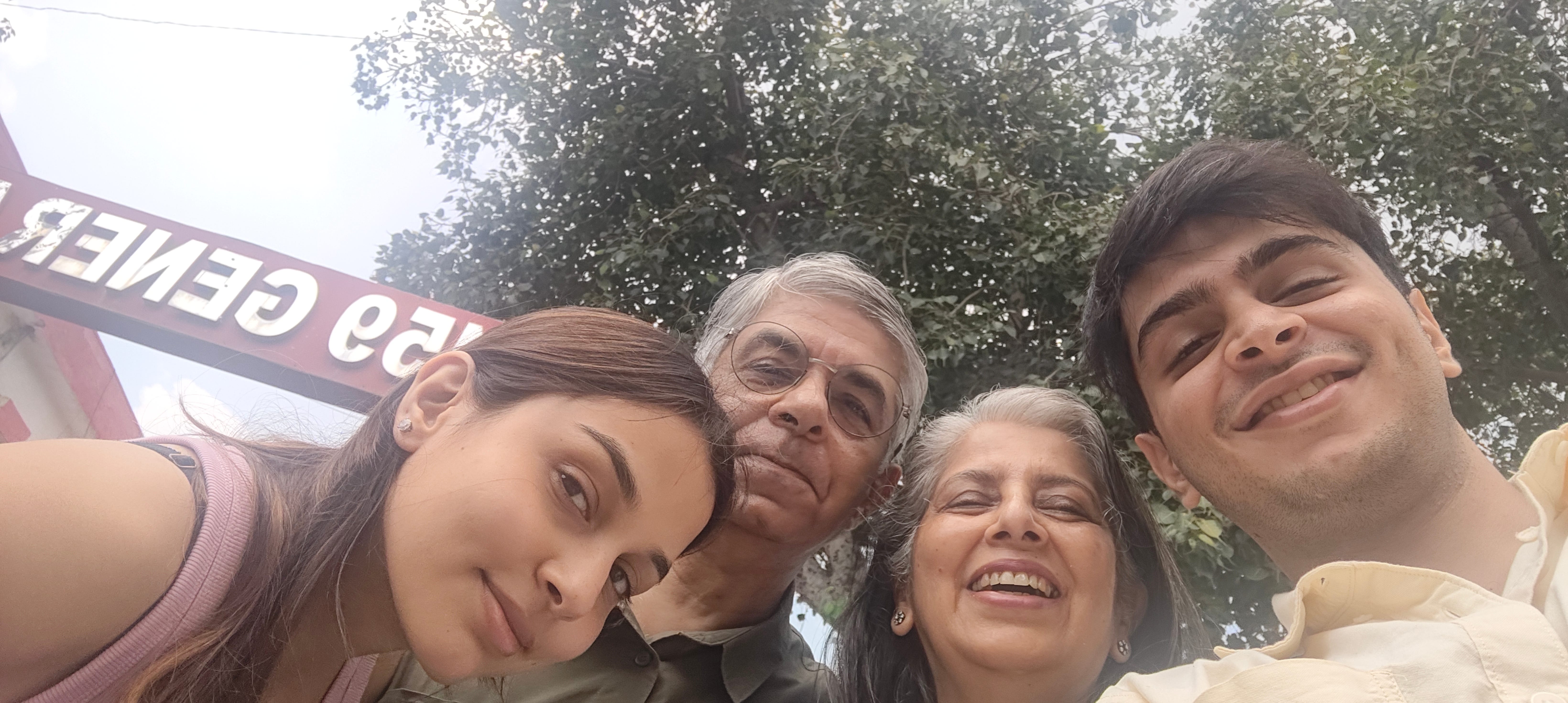
The head of the hospital looked at us with considerable suspicion until we explained the purpose of our visit, at which point he smiled with considerable joy and allowed us to take a few more images. Then, we drove around the cantonment, and I tried to identify the house and the road where we had lived all those years ago. Our only guide was a rough map that my uncle drew from memory. I don’t think we drove along the road where I lived, or past the house where I lived as a baby and where someone stole my Alsatian, Gypsy, but I like to believe we did.
Some day. I will return some day, but only after I have studied the Anglo-Sikh Wars in some detail. The Wars are a big part of the history of the town where I was born.